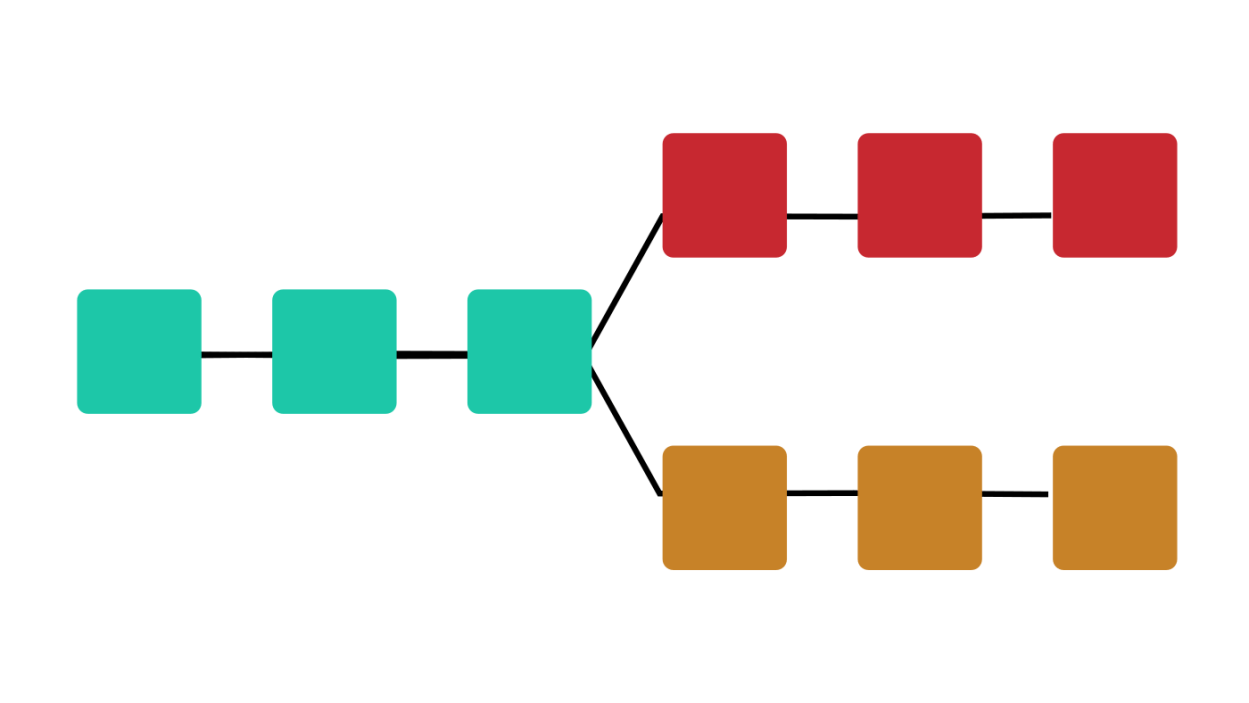
A fork in a blockchain is a very significant event. But what exactly is a fork? It is an event usually associated with a change in the protocol of the underlying blockchain, but other meanings too exist. Unsure what the blockchain is, then have a look here. Blockchains use consensus algorithms to resolve conflicts among different histories. A fork is also related to the final result of this resolution of uncertainity. Forks are not specific to the Bitcoin blockchain, but can also happen in others such as Ethereum. Not every fork is alike. Based on the event which occurs, forks are classified into:
- Hard Fork
- Soft Fork
- Cryptocurrency Split
Hard Fork
According to the bitcoin wiki, a hard fork is said to have occurred when a change to the Bitcoin protocol makes previously invalid blocks/transactions valid. These forks make newer software incompatible with the existing one. These don’t happen frequently, and even before they do, require community consensus.
According to the bitcoin wiki, a hard fork is said to have occurred when a change to the Bitcoin protocol makes previously invalid blocks/transactions valid. These forks make newer software incompatible with the existing one. These don’t happen frequently, and even before they do, require community consensus.
Soft Fork
This is a change to the underlying blockchain protocol wherein only previously valid blocks/transactions are made invalid. This type of fork is backward compatible, i.e. older nodes can still recognize blocks made using new rules.
Cryptocurrency Split
A cryptocurrency split happens when a blockchain has two valid histories of transactions, due to a fork, and a significantly large number of stakeholders accept both the chains as valid, thus resulting in a new cryptocurrency. Usually, the longest chain is taken to be the valid one, but not when a significant number of nodes wish to continue with one version of history than the other.
When does forks happen?
Forks occur when a significant change is made to the underlying protocol, such as changing the block structure or the difficulty rules. Changes are introduced through updates to the core software.
Repercussions
In the past, both Bitcoin as well as Ethereum have split into other cryptocurrencies due to hard forks. In the case of Ethereum, it split into two cryptocurrencies: Ethereum and Ethereum Classic. This happened after the DAO hack due to some disagreements within the community. Soft forks are used to apply minor changes to the blockchain protocol, and hard forks fix serious security vulnerabilities.
Both hard and soft forks are required, but soft forks are seen in a more positive light, since they don’t cause cryptocurrency splits like hard forks.
When do they happen?
Before a fork is performed, the community around the blockchain/cryptocurrency carefully weighs the pros and cons of the fork, and after a mutual consensus, it is performed on a specific date and time. On the decided day, miners/users upgrade their software.
In case the community cannot come to a mutual agreement regarding the decision, the developers may either choose to delay the fork, or in very rare cases, continue with the fork. In the second case, a permanent split in the blockchain happens, often resulting in a new cryptocurrency.
Enfin
Forks are major events which attract a lot of attention. An issue with forks is that cyrptocurrency splits, as in the case mentioned above, often reduce the security of the blockchain. This is because a large number of forks can increase the chances of a double spending attack. For this reason, blockchain and cryptocurrency developers take many precautions before an upgrade. You can find more information about forks here.
Stay tuned for more !
 Techprodezza