
As always Amazon thrive to provide more amazing services, now it had launched the beta version of Amazon Honeycode through which users can easily build their web or mobile applications with minimum code or no code. All of this is backed by a database in AWS and a web-based, drag-and-drop interface builder.
Developers can build applications for up to 20 users for free. After that, they pay per user and for the storage their applications take up.
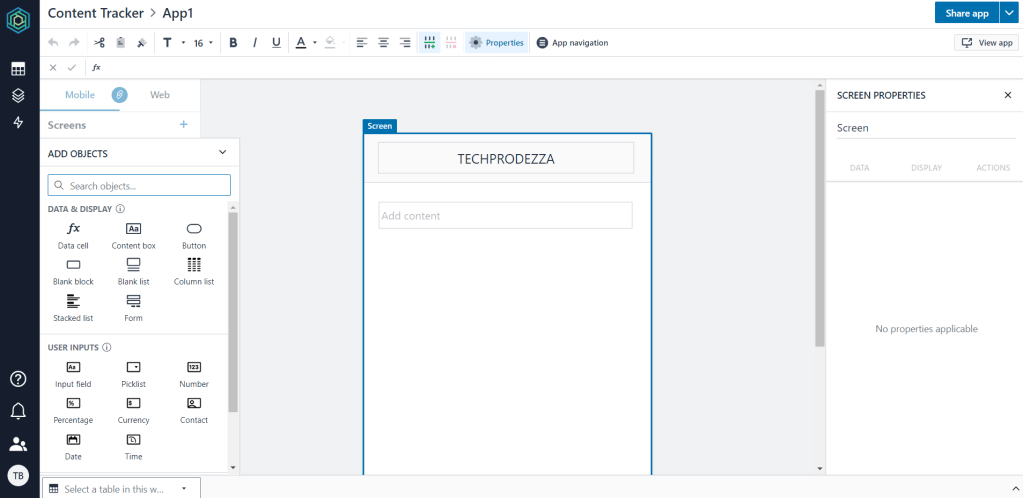
“Customers have told us that the need for custom applications far outstrips the capacity of developers to create them,” said AWS VP Larry Augustin in the announcement. “Now with Amazon Honeycode, almost anyone can create powerful custom mobile and web applications without the need to write code.”
Amazon Honeycode includes templates for some common applications that you and other members of your team can use right away.
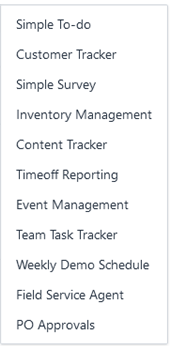
Like similar tools, Honeycode provides users with a set of templates for common use cases like to-do list applications, customer trackers, surveys, schedules and inventory management. Traditionally, AWS argues, a lot of businesses have relied on shared spreadsheets to do these things.
To manipulate data, users can work with standard spreadsheet-style formulas, which seems to be about the closest the service gets to actual programming. ‘Builders,” as AWS calls Honeycode users, can also set up notifications, reminders and approval workflows within the service. AWS says these databases can easily scale up to 100,000 rows per workbook. With this, AWS argues, users can then focus on building their applications without having to worry about the underlying infrastructure.
“We’re excited about the opportunity that Amazon Honeycode creates for teams to build apps to drive and adapt to today’s ever-changing business landscape,” said Brad Armstrong, VP of Business and Corporate Development at Slack in today’s release. “We see Amazon Honeycode as a great complement and extension to Slack and are excited about the opportunity to work together to create ways for our joint customers to work more efficiently and to do more with their data than ever before.”
 Techprodezza