To kickstart with a simple example, how many of us use a dictionary app in our mobiles? I use it for myself. So, if I am bewildered of a word it’s easy for me to refer. The question is does the app uses the Internet? The one which I preferred doesn’t. I preferred it assuming that I might be in a place with zero or less network connectivity. Is that the only reason? The answer is no!
Let’s take a dive into the details.
According to Business2Community, as of March 2017, the lowest penetration of internet access is still Africa and Asia (China excluded). However, between 2000-2017, that spiking has increased by 7,557.2% and 1,539.4% respectively. But still, there are consistent connectivity issues.
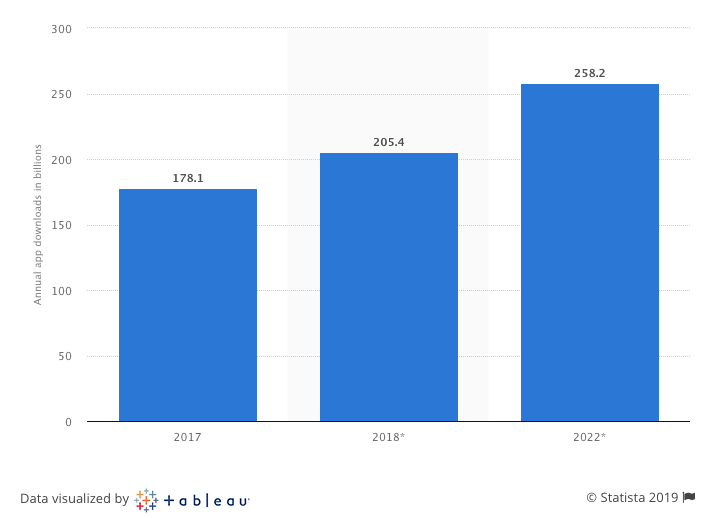
We know that mobile applications are booming all over the world. It is important for a business to develop an interactive mobile application to maintain good rapport with their customers. According to Statista, in 2024, consumers are extrapolated to download 139 billion mobile apps from the Google Play Store, up from 102 billion apps downloaded from it in 2019.
A day without a Smartphone!
Today we are so addicted to the mobile phone that we cannot even imagine a day without it. From a simple calling device to carrying complete data of the user, mobile apps have traveled a long way. But what if there is no Internet connection to our mobile. A lot of utilities will be paused for a while. This is why the significance of the offline mobile application has been discerning its growth. Here are a few benefits from offline mobile applications.
Having an edge in the competition:
There are a lot of apps in the market that works online. For every application, there is a competitor such as Messenger for WhatsApp (though both belong to Facebook), Ola for Uber, Zomato for Swiggy, etc. If your application works offline, then you might be the winner of the competition( assuming similar features).
Google Map’s Offline compatibility:
Though maps work with an internet connection, Google Maps allows users to download some parts from the world map. For example, the route map of places the user frequently visits. Since most of the phones support GPS without an internet connection, this facilitates the user with directions when offline.
Procuring trust from the users:
Gaining the customer’s or user’s trust has the utmost importance in the race of business. When the user believes in your app even in areas of poor network connectivity, they would prefer your application from your competitor.
Delayed results:
If your application takes more than a few seconds to respond to the request, it is estimated that 70% of the users would abandon that application according to appsamurai. So, if an app takes longer to respond in the presence of network connection, what if there isn’t even a connection? Offline apps will play a major role here in saving time for users.
Extending Battery life:
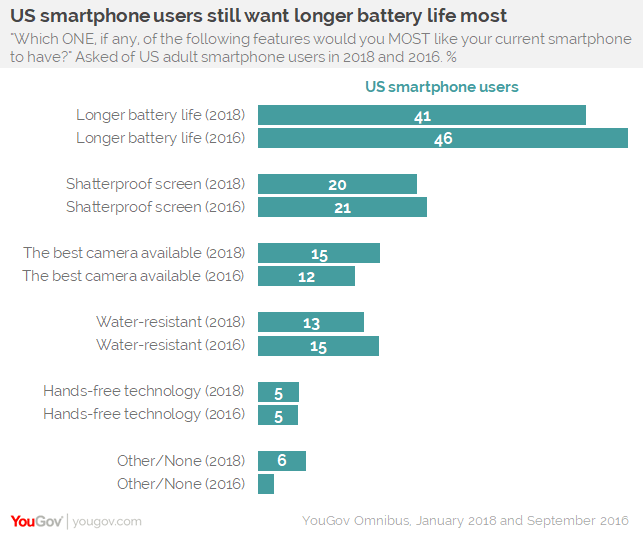
In the case of travel, it is mandatory to keep up the battery life of mobiles. The more the applications run and consume data, the more is the loss in the battery. According to the YouGov Omnibus survey, 41% of the US smartphone users say that the phone with longer battery life is the essential feature they prefer. The utilization of offline mobile applications can boost the battery life of the smartphone.
Increased Security:
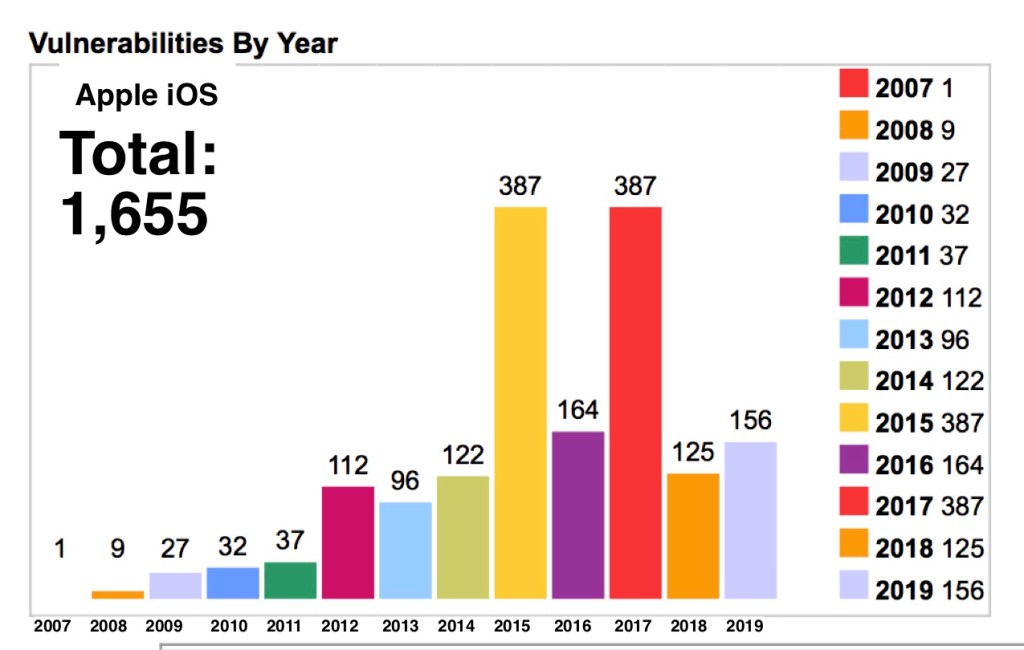
According to the CVE Details.com, there are 2,500 Android vulnerabilities and more than 1,650 iOS vulnerabilities. Android’s issues recorded highest in 2017, with 843 vulnerabilities. iOS also peaked in 2017 with 387. Since then, Google’s steps to remedy issues have given positive results: only 414 vulnerabilities were found so far this year as of Oct. 31. Meanwhile, iOS vulnerabilities decreased to 229 for the same period.

The vulnerabilities can be exploited by the malicious actors and therefore breaches occur. So, to protect the data of the user in case of breaches, the offline mode of application would be definitely useful. Using the local storage for the cache and data in the offline app facilitates a more secure environment.
Ease in collecting Massive data
The offline feature allows easy collection of enormous data as the app does not reckon on a network connection to intake the data. It simply stores it on the device and the data automatically syncs to the user’s account once the network connection is restored. For example, collecting data at major events was a major challenge for companies. With a poor network connection and large gatherings, they face many issues if the apps are network dependent. Offline mobile applications allowed companies to collect a large number of data in a hassle-free manner at those circumstances.
Poor connectivity Issues:
Lie-Fi is a state where the device is connected to the network but still unable to load pages. This situation arises when something goes wrong between the app and the server. If something on the way fails or runs slowly we might get Lie-Fi. The only way to know if we get a response is to send a request and see what’s happening and that can take a long time and meanwhile, we leave the user with nothing that indicates is a real problem and bad user experience. The scenario of offline apps yields better performance. Making use of the cache to store data and syncing it for the user until the network is established helped offline apps to gain popularity these days.
Wrap Up:
The digital world is conquering higher day by day with the use of trending technologies. The mobile application with the full support of offline mode is escalating at a higher rate. The use of such mobile apps that works without an internet connection is highly featured and useful. Customers and business owners both are at advantageous points that are using and developing offline mobile apps for their businesses. If you also want to take your business to the next successful level, you must have the best mobile app development for the best results.
Good Luck!
 Techprodezza